Can Ozempic Treat AUD?
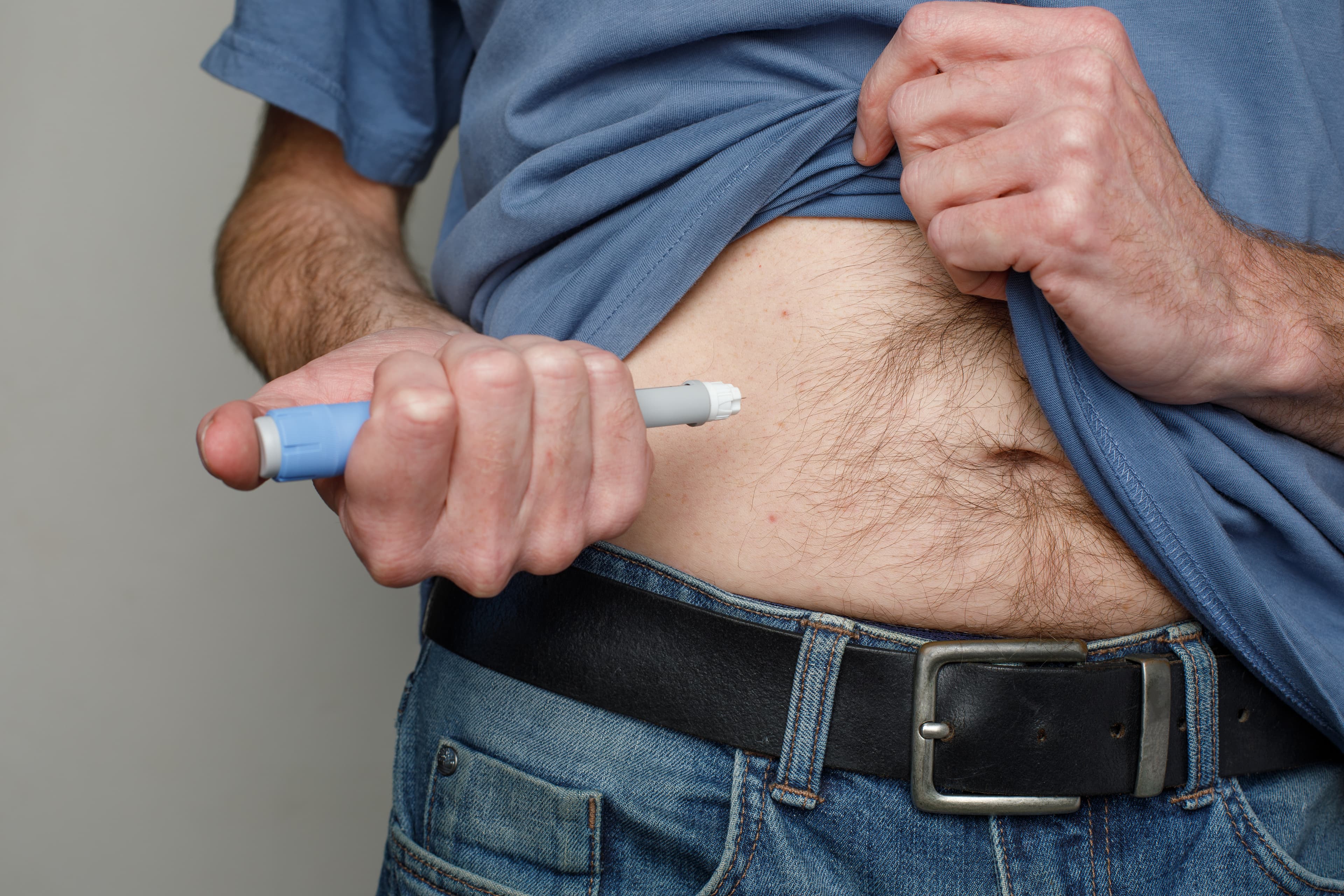
Ozempic, also known by its generic name semaglutide, is a popular weight loss and diabetes drug. Over the last couple of years, in addition to weight loss, people have been noting a surprising byproduct of the medication: decreased alcohol use. Ozempic is not FDA-approved to treat alcohol use disorder (AUD). Early clinical trials suggest it may reduce drinking and cravings, but larger studies are still needed. In the meantime, the buzz has sparked a broader conversation about using medication to treat addiction.
What’s Behind the Ozempic for AUD Stir?
Drinking alcohol in excess is a risk factor for premature death; it makes sense that any anecdote about the potential for a quick and effective treatment would be buzzworthy. Here’s the thing—medication to treat alcohol use has been FDA-approved for decades. However, most people don’t know that medication for alcohol exists. There’s a reason why Ozempic in the limelight is causing conversations about its ability to treat alcohol use—many do not know that there are other medication treatments for AUD.
FDA-approved medicines to treat or reduce alcohol use, such as disulfiram, naltrexone, and acamprosate, are specifically approved for that purpose. Medications to treat AUD are just as effective as medicine, like SSRIs, for depression. But they are nowhere near as widely used.
In the United States, about 13% of adults took antidepressants in a month (1). Despite the efficacy and safety of medication to treat alcohol, only 1.6% of people with AUD use it. Ozempic has been approved since 2017 to treat type 2 diabetes in adults, and it’s commonly used and more well-known than medicine for AUD. A 2024 survey shows almost three-quarters of Americans have heard of Ozempic (2).
Another reason for excitement about Ozempic’s possibility of treating AUD is that it could reach two birds with one stone—weight loss and alcohol misuse. This two-in-one potential might offer people some discretion in seeking alcohol treatment in the first place.
Stigma is a significant reason that prevents people from seeking help for AUD. Individuals with alcohol misuse might not admit that they have a problem bad enough to warrant medication for alcohol solely. However, when taking Ozempic for another reason, they might experience relief they didn’t know they needed or were too ashamed to get.
Understanding Ozempic and AUD
Let’s look at what Ozempic does to understand its potential impact on AUD. Ozempic is a glucagon-like peptide-1 (GLP-1) agonist drug, which means it’s a class of medicine targeting blood sugar control and, likely, weight loss. This medication mimics the hormone GLP-1 and stimulates insulin production, which can help lower blood sugar levels.
Ozempic use is on the rise in the US—a health tracking poll found that 1 in 8 adults have used a GLP-1 agonist. 4 in 10 adults used them primarily to lose weight (3). COVID-19 caused an increase in weight gain and alcohol misuse, potentially spurring more attention around Ozempic with increased usage.
With the surge of people taking Ozempic, patients and doctors began to notice a byproduct from the drug: its seeming ability to curb drinking and cravings. Those first reports were anecdotal, but researchers have since started testing the effect in clinical trials.
Oar Health's own survey data adds a twist. In the State of Sober October 2026 report, one in five American drinkers had taken a GLP-1 medication such as Ozempic, Wegovy or Zepbound. As a group they drank about as much as everyone else (5.4 drinks in a typical week against 5.6). What set them apart was what they did about it: they were twice as likely to have done Sober October (23% vs 10%), more likely to be planning it this year (35% vs 24%), and twice as likely to have used some form of support during the month (42% vs 21%). The survey can't say which came first, the medication or the sober month. If you're weighing a month off yourself, start with our guide to Sober October.
Some of the early research is promising. Animal studies suggest Ozempic could help reduce alcohol use. In humans, the results have been more mixed. One of the first randomized trials, published in 2022, looked at the potential of exenatide (4). The randomized trial found that exenatide was not superior to placebo in reducing drinking among those with AUD.
Researchers identified a few factors potentially influencing the results, such as that the levels of AUD varied among participants compared to other studies. Also, exenatide reduced alcohol intake, but only in the participants who qualified as obese. It’s important to note that exenatide is less potent than Ozempic.
A later 2023 case series published in the Journal of Clinical Psychiatry found that six individuals being treated for weight loss with AUD each exhibited significant improvements (5).
Since then, trials of semaglutide itself have reported results. A 2025 trial published in JAMA Psychiatry found that weekly semaglutide injections, compared with placebo, reduced alcohol craving, how much people drank, and how often they drank heavily. A larger 26-week trial published in The Lancet in May 2026 studied people seeking AUD treatment who also had obesity. Everyone was offered therapy, and those who also got semaglutide cut their drinking and cravings more than those on placebo. A July 2026 University of Colorado study found that people taking semaglutide as a pill cut their drinks in half on the days they drank.
Real-world data points the same way. A 2026 study of more than 40,000 adults with AUD and either diabetes or obesity found that those who started GLP-1s such as semaglutide or tirzepatide were hospitalized for alcohol less often than those on other diabetes drugs.
Still, the science isn’t settled. A 2026 review that pooled the randomized trials so far didn’t find a statistically significant benefit for alcohol use overall. It flagged a possible effect in people with both AUD and obesity, but called it an early signal rather than a firm finding. Larger trials are underway, including a national Veterans Affairs study. While more research is needed, the conversation about Ozempic and other GLP-1s has raised awareness of the power of medication to treat alcohol use.
Why Might Ozempic Be Effective for Treating AUD?
Part of the reason that Ozempic is helpful for weight loss is that it may alter brain reward pathways. Ozempic signals fullness, which can help people consume less. Researchers hypothesize that Ozempic could work similarly for addiction. GLP-1 agonists target the reward center of the brain. Generally, when you drink, you’ll experience a hit of the feel-good chemical dopamine.
Good-quality data is essential for the use of any medication. Luckily, with medication to treat AUD, solid evidence proving the efficacy of approved drugs already exists.
Medications approved for AUD are also more affordable. About half of all adults who have taken GLP-1 agonists say it was difficult to afford the cost (6). While insurance covered part of the cost, more than half of adults said the price was difficult, even among those insured. Without insurance, Ozempic costs just under $1000 per month. Without insurance, naltrexone can cost $25-175 per month, depending on the state where you buy it.
While there is optimism for Ozempic’s ability to treat AUD, it’s important to remember it’s not yet FDA-approved for AUD treatment and to exercise caution until it is. While Ozempic may have positive results for drinking among those already taking it for another reason, approved medications for AUD don’t require other conditions to take them.
SSRIs have become more widespread and helped to address some of the stigma around depression; medicine for AUD merits the same evolution. Hopefully, the discussions around Ozempic’s potential to treat AUD will spur more awareness that medicines for AUD already exist and can help people in the short and long term reduce or stop drinking.