State Of Dry January 2025 Report
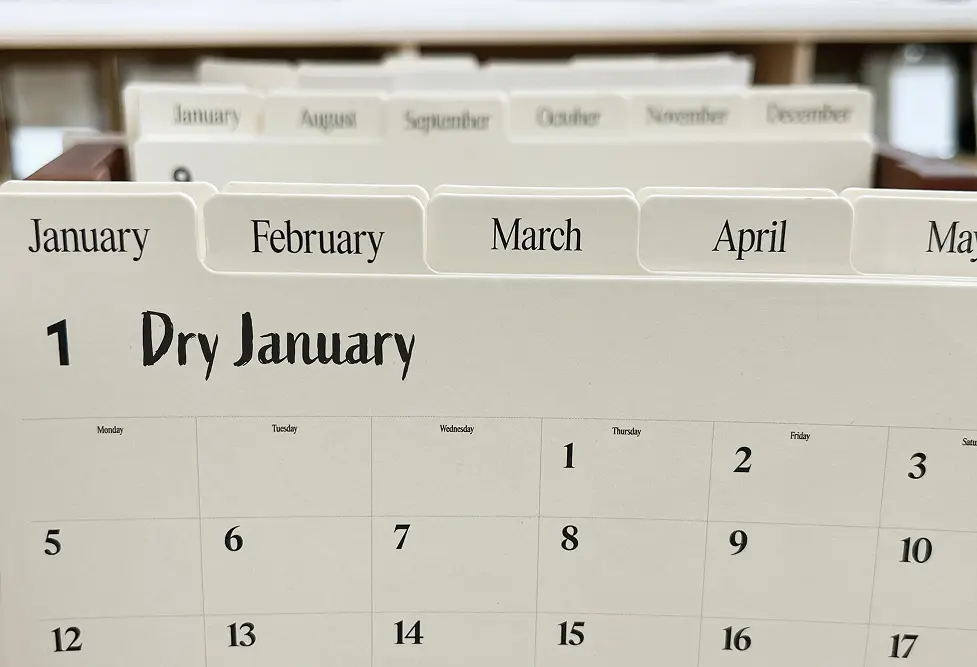
Dry January has become a familiar part of the New Year. Millions of people commit to a month without alcohol, yet until now there has been surprisingly little data on who participates, how the experience actually unfolds, and what helps people succeed.
Despite its popularity, Dry January has largely gone unstudied at a national level in the United States. To better understand what really happens during Dry January, Oar Health conducted the first nationwide survey of its kind, examining participation, challenges, and outcomes across age, income, and region.
Dry January: From Movement To Mainstream
These findings show that Dry January has moved firmly into the mainstream. Nearly half of people (47%) who drink alcohol at least once a month report that they have attempted Dry January before.
Participation is at an all time high, but success is far from guaranteed. Almost one in three people (27%) do not complete the full month.
The data offers a clearer picture of why Dry January is harder than many expect, when people are most likely to quit, and what forms of support make the biggest difference.
Who Tries Dry January & Why
Dry January participation varies widely by age, income, and geography.
Millennials ages 29 to 44 are the most likely to attempt Dry January, with just over half (51%) reporting that they have tried it. Participation drops among older adults, with only 30 percent of Boomers reporting an attempt.
Income also plays a role. People earning over $250,000 report the highest participation at 55 percent, compared to 44 percent among those earning under $50,000.
Regionally, participation is highest in the South and lowest in the Northeast and Midwest. Cold weather may be a factor, though motivation appears largely consistent across regions.
Across all groups, the most common reasons for trying Dry January are improving health (35%), reducing overall drinking (21%), losing weight (12%), and resetting after holiday drinking (11%).
How Often We Succeed At Dry January
According to the study, most people who try Dry January succeed. Seventy three percent of attempts last the full month. However, the experiences of those who do not finish reveal important patterns.
Dry January Cravings
Alcohol cravings are a major challenge for many participants.
Sixty percent of people who attempted Dry January experienced cravings. Those who experienced cravings were four times more likely not to complete the month (39% of participants with cravings did not finish, compared to 9% of those without cravings).
Among those who reported cravings, thoughts most often centered on beer, liquor, and wine.
Dry January Peer Pressure
Pressure from others to drink is another common obstacle. Forty one percent of participants said they felt pressure from others during Dry January.
This pressure matters. People who felt pressure were twice as likely not to complete Dry January successfully (41% ended early, compared to 17% among those who did not feel pressure).
Pressure most often came from friends (77%) and social events (52%), followed by family (24%) and colleagues (18%). Partners were the least common source of pressure at fifteen percent.
Cravings and social pressure often overlap. Cravings most often center on beer, liquor, and wine, while social pressure most commonly comes from friends and events. Anxiety, celebrations, and habit also play a role in early slips.
Dry January Challenging Moments
People who do not complete Dry January are four times more likely to report that it was harder than expected (75% for non-completers vs. 19% for completers).
For those who decide to stop, timing follows some predictable patterns:
- The second weekend of January is the most common point that people end early
- The average attempt lasts 15 days
- Almost half of Dr January attempts end on a Fridays (49% end then)
- Saturday is the second most common day to stop (24% end then)
Based on historical patterns, Oar Health predicts that Friday, January 16th will be the single most challenging day for Dry January 2026, coinciding with the start of a long weekend in the United States.
How To Succeed At Dry January
Most Dry January participants (81%) attempt the challenge without any formal support. However, using some form of support increases the likelihood of completing the month. Success rates rise from seventy three percent to seventy seven percent among those who use support.
Online communities are the most popular option, with forty two percent of participants engaging in one. This compares with twelve percent using zero proof drinks, seven percent participating in peer support, four percent using a smartphone app, four percent receiving therapy, and three percent using medication.
While online communities are the most common form of support, they are not the most effective. Eighty nine percent of people who incorporated zero proof drinks or used medication completed the full month.
Dry January Is Not About Perfection
Dry January is often framed as a test of discipline or morality. The data suggests something different.
It can be tempting to view falling short of Dry January goals as failure. Instead, slips and lapses can provide valuable insight. Even people who drink more than intended in January often gain clarity about their goals, motivations, triggers, and the types of support that work best for them.
While the New Year is a natural moment to reassess habits, it is not the only opportunity. Sober October, for example, offers another chance to reset, aligned with seasonal change and the return to routine.
The truth is that there is no bad time to drink less or quit.
The State Of Dry January 2025
For more on the state of Dry January, please click below to read the full report.